

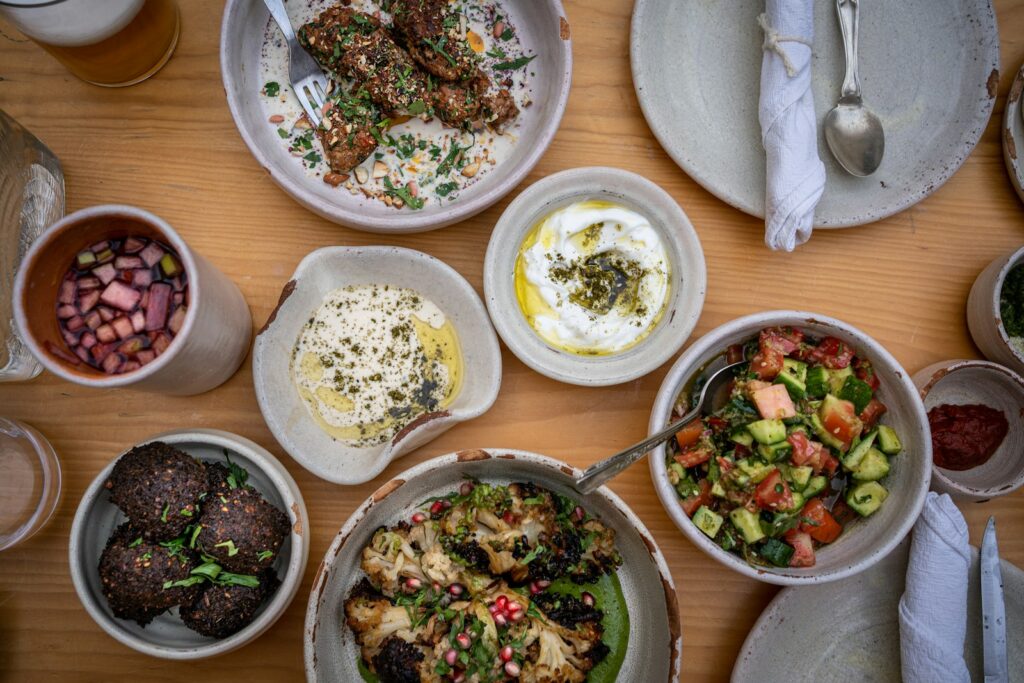
You can find authentic Anatolian plant-based meals throughout the Historic Peninsula by exploring traditional cold olive oil dishes (*zeytinyağlılar*), rich legume stews, and dedicated menu options at Olive Anatolian Restaurant, situated just a four-minute walk from major landmarks in Sultanahmet.
Exploring Ottoman Cold Olive Oil Mezes and Lentil Soup
Traditional Anatolian cuisine naturally features a vast array of plant-based foods, rooted in age-old Ottoman culinary traditions that rely heavily on olive oil, fresh vegetables, and sun-dried legumes. The heart of plant-based eating in Turkey lies within the zeytinyağlılar category, which translates to dishes cooked in olive oil and served at room temperature or chilled. When you dine in the Old City, you can order classic dishes such as zeytinyağlı enginar (tender artichoke bottoms braised with green peas, carrots, and dill) or barbunyak pilaki (cranberry beans simmered with sweet onions, garlic, and diced tomatoes).
Another staple of the Anatolian table is yaprak sarması, where tender grape leaves are wrapped around a savory filling of rice, pine nuts, currants, and aromatic dried mint. For soup lovers, traditional red lentil soup (mercimek çorbası) is available across local eateries near Sultanahmet Square. While red lentils, onions, cumin, and carrot form the base of this comforting dish, checking whether the kitchen finishes the soup with butter or vegetable oil helps ensure your meal remains fully vegan. When addressing special dietary requirements during your trip, communicating your preferences directly with hospitality staff makes dining effortless.
Vegan Specialties at Olive Anatolian Restaurant Rooftop
Located on the top floor at Ebusuud Street No:12 in Sirkeci, Olive Anatolian Restaurant provides a dedicated plant-based menu featuring traditional recipes adapted for vegan and vegetarian diners alongside views of Hagia Sophia and the Bosphorus Strait. The kitchen focuses on showcasing regional flavors without relying on animal products. You can enjoy starter plates such as warm roasted eggplant mashed with garlic tahini, wild Aegean greens dressed with lemon and cold-pressed olive oil, and crispy stuffed zucchini blossoms filled with seasoned rice.
For main courses, the menu features slow-roasted vegetable casseroles, bulgur wheat pilafs tossed with wild mushrooms, and oven-baked eggplant rolls infused with rich tomato and pomegranate molasses. If you stay nearby at Yasmak Sultan Hotel—where room choices range from Double/Twin and Triple options to Family Rooms, Deluxe Rooms, and the Sultan Suite Room—you will also begin your mornings at this rooftop venue. The breakfast spread offers abundant plant-based options including fresh tomatoes, cucumbers, marinated Mediterranean olives, sesame tahini with grape molasses, halva, and artisanal jams paired with Turkish tea.
Sourcing Dried Fruits and Spices at Spice Bazaar
The Spice Bazaar, situated about a ten-minute walk downhill from Sirkeci toward the Eminönü waterfront, offers an extensive selection of plant-based ingredients including dried figs, walnuts, crushed Aleppo pepper, and sumac. As you walk down through the vibrant streets leading toward the golden horns of the historic market, the air becomes fragrant with ground spices, roasted nuts, and herbal teas. The market stalls present clean, whole food options that work perfectly as nutritious portable snacks while exploring historical landmarks like Topkapi Palace or the Basilica Cistern.
You can purchase premium sun-dried Malatya apricots, Antep pistachios, whole walnuts, and dried mulberry clusters directly from local merchants. Vendors also display strings of dried eggplants and bell peppers, which local home cooks rehydrate and stuff with spiced rice mixtures during winter months. If you wish to purchase sweet treats, look for traditional Turkish delight (lokum) flavored with rosewater, pistachio, or pomegranate. Most classic starch-based lemon and rose lokum variants are naturally vegan, though you can ask vendors to confirm that no gelatin or milk solids were added during production.
Booking Culinary Training for Customized Plant-Based Recipes
Hands-on cooking workshops in the Old City allow travelers to learn the precise techniques of preparing Turkish olive oil dishes using fresh herbs, pomegranates, and grains. Participating in a workshop demystifies local cooking techniques, teaching you how to balance acidity, sweetness, and olive oil to bring out the natural flavors of regional produce. Reserving a cooking class in Turkish cuisine gives you practical skills to recreate iconic recipes such as mercimek köftesi (red lentil and bulgur patties seasoned with scallions and parsley) in your home kitchen.
According to the Yasmak Sultan Hotel team, understanding the subtle balance between cold-pressed olive oil, lemon juice, and dried mint is the essential key to mastering authentic Anatolian plant-based cooking. During a practical class, you learn how to handle delicate grape leaves, hollow out vegetables for stuffing, and emulsify olive oil into vegetable braises. If you are traveling as a couple or on a romantic retreat, sister properties like Romance Istanbul Hotel also highlight authentic culinary cultural experiences within walking distance of Sultanahmet.
Navigating Sultanahmet Street Food for Plant-Based Snacks
Street food carts operating around Sultanahmet Square and the Gulhane tram stop serve several inherently vegan snacks, such as roasted chestnuts, grilled corn on the cob, and sesame-crusted simit. These mobile food carts provide quick, affordable, and authentic nourishment while you walk between historical monuments. The classic circular simit bread is dipped in grape molasses and coated in roasted sesame seeds before baking, yielding a chewy texture and nutty flavor that requires no dairy ingredients.
In addition to simit, you will find street vendors roasting fresh chestnuts over open embers during autumn and winter, or grilling sweet corn on the cob (mısır) sprinkled with sea salt during summer months. Another widespread local option is çiğ köfte, a spicy blend of fine bulgur wheat, tomato paste, garlic, pomegranate molasses, and fresh herbs. While historically made with raw meat centuries ago, modern commercial regulations in Turkey require street vendors and shops to prepare çiğ köfte entirely meatless, serving it wrapped in thin flatbread with crisp lettuce and lemon juice.
Practical Vocabulary for Identifying Vegan Dishes in Istanbul
Identifying plant-based meals in traditional Turkish restaurants requires recognizing specific key vocabulary terms such as etsiz (meatless), tereyağsız (without butter), and zeytinyağlı (cooked in olive oil). While hospitality staff in tourist areas speak English well, understanding Turkish dish names allows you to navigate local menus with complete confidence.
When reviewing traditional meze displays at neighborhood restaurants, look for these popular vegetarian and vegan dishes:
- Şakşuka: Fried eggplant and zucchini cubes tossed in a rich garlic tomato sauce.
- Fava: Smooth, creamy purée made from broad beans, garnished with olive oil and fresh dill.
- Hummus: Blended chickpeas with tahini, lemon juice, garlic, and olive oil.
- Acılı Ezme: Finely chopped spicy tomato, red pepper, parsley, and pomegranate molasses salad.
- Kısır: Traditional bulgur wheat salad mixed with tomato paste, herbs, olive oil, and lemon.
When asking restaurant staff about ingredients, you can use the phrase “Süt ürünü ve et var mı?” (Does it contain dairy or meat?) or request dishes prepared strictly with vegetable oil (bitkisel yağ) rather than butter (tereyağı).
Comparing Popular Anatolian Plant-Based Dishes
To help you select the best plant-based items while exploring the Historic Peninsula, the following reference table outlines key traditional dishes, their core ingredients, and their dietary classification.
| Dish Name | Primary Ingredients | Serving Style | Dietary Status |
|---|---|---|---|
| Zeytinyağlı Enginar | Artichoke bottoms, green peas, carrots, dill, olive oil | Chilled / Cold meze | Vegan |
| Mercimek Köftesi | Red lentils, fine bulgur, onion, tomato paste, mint | Room temperature wrap | Vegan |
| Fava Purée | Yellow split broad beans, onions, dill, olive oil | Cold meze dip | Vegan |
| İmam Bayıldı | Whole eggplant, garlic, onions, tomatoes, olive oil | Warm or room temperature | Vegan |
| Menemen (Vegetarian) | Eggs, tomatoes, green peppers, olive oil, oregano | Hot skillet breakfast | Vegetarian (Contains egg) |
| Yaprak Sarması | Grape leaves, rice, pine nuts, currants, spices | Chilled starter | Vegan |
Whether you are staying near Sirkeci or exploring nearby historical districts, discovering Istanbul’s plant-based Anatolian recipes adds a rich culinary layer to your journey through the Historic Peninsula.
Frequently Asked Questions
Where can vegetarian and vegan travelers find authentic Anatolian meals near Sultanahmet?
Travelers can enjoy authentic plant-based Anatolian dishes at Olive Anatolian Restaurant on Ebusuud Street in Sirkeci. The rooftop venue offers a dedicated vegan and vegetarian menu alongside views of Hagia Sophia, just minutes on foot from Sultanahmet Square.
Is traditional Turkish red lentil soup vegan-friendly?
Most traditional red lentil soups are naturally vegan as they rely on lentils, vegetables, and olive oil. However, some kitchens finish the soup with butter, so asking staff to confirm butter-free preparation is recommended.
Are street food simits vegan in Istanbul?
Yes, classic street food simits are typically vegan. They are prepared from flour, water, yeast, salt, grape molasses, and sesame seeds without using eggs or dairy products.
How far is the Spice Bazaar from Yasmak Sultan Hotel?
The Spice Bazaar is located about a ten-minute walk downhill from Yasmak Sultan Hotel, heading along the main street toward the Eminönü waterfront.
Does Olive Anatolian Restaurant serve plant-based breakfast options?
Yes, the breakfast menu at Olive Anatolian Restaurant features abundant plant-based options including fresh tomatoes, cucumbers, Mediterranean olives, halva, tahini, grape molasses, and fruit preserves.
What is the Turkish word for meatless dishes cooked in olive oil?
The Turkish term is zeytinyağlılar, which refers to vegetable dishes braised in cold-pressed olive oil and served at room temperature or chilled.
Is çiğ köfte sold by street vendors meatless?
Yes, commercial çiğ köfte sold by street vendors and takeaway shops in Turkey is entirely meatless, prepared using kneaded bulgur, spices, tomato paste, and pomegranate syrup.
What are the standard check-in and check-out times at Yasmak Sultan Hotel?
Standard check-in at Yasmak Sultan Hotel begins at 14:00, and check-out is available until 12:00 noon. Multilingual staff assist guests in English, Turkish, and Russian.
Photo: Alexandra Tran — Unsplash

